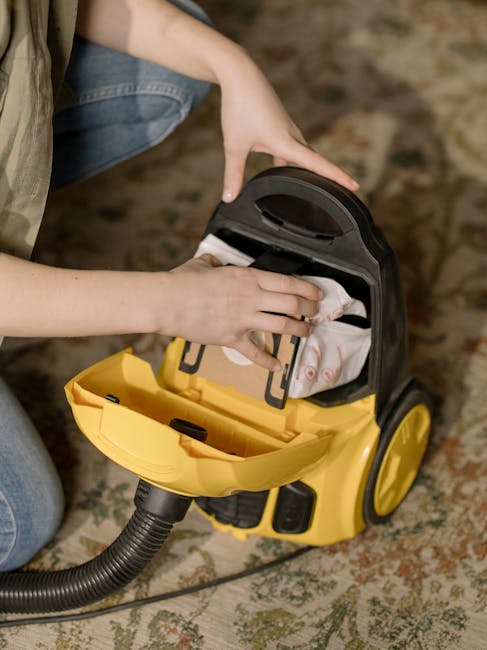
Greenwich Park stain removal and carpet cleaning case study

If you've ever looked at a carpet and thought, "Right, that stain is not going anywhere," you're in the right place. This Greenwich Park stain removal and carpet cleaning case study explains what a careful, professional approach looks like when everyday spillages, foot traffic, and stubborn marks all meet in one room. It is not just about making fibres look fresher for a day. It is about reading the carpet, choosing the right treatment, and getting the result without causing extra damage. That bit matters more than people think.
In this article, we walk through the practical side of stain removal and carpet cleaning: why it matters, how the process works, what usually goes wrong, and how to judge whether a clean will actually last. You'll also find a simple checklist, a comparison of methods, and a realistic case study style example based on the kind of work that comes up in Greenwich Park homes and flats. If you are comparing options or just trying to decide what to do next, this should help.
Why Greenwich Park stain removal and carpet cleaning case study Matters
Carpets carry more than dirt. They hold on to grit from shoes, oils from skin, food residue, drink spills, pet accidents, and the kind of everyday wear that builds quietly over time. In Greenwich Park, where homes can include busy family living, period properties, and rented flats with mixed traffic patterns, carpets often need more than a quick vacuum and a hopeful shrug.
A stain removal case study matters because it shows the difference between surface cleaning and targeted restoration. The two are not the same. A surface clean can brighten a room, sure. But a targeted stain treatment looks at the stain type, the fibre type, age of the mark, and what has already been tried. Miss one of those and you may set the stain, spread it, or leave a dull patch behind. Not ideal, to say the least.
There is also a trust angle here. People want to know what they are paying for, whether the process is safe for wool or synthetic carpet, and whether the result is likely to last through normal use. A case study makes the process more concrete. It helps you see how the job is assessed, what decisions are made, and what kind of finish is realistic rather than over-promised.
For some households, the trigger is a visible stain. For others, it is a broader refresh before guests arrive, after builders have left dust behind, or before an inventory inspection. In those moments, a proper clean can feel like a reset. You know that slightly cleaner smell when a room has had a real deep clean? That. People notice it immediately, even if they do not always say so.
How Greenwich Park stain removal and carpet cleaning case study Works
The work usually starts with assessment, not product use. That might sound basic, but it is where the quality comes from. A professional cleaner will identify the carpet fibre, look at the stain, test an area if needed, and decide whether the safest route is pre-treatment, extraction cleaning, spot treatment, or a combination. Sometimes a stain is mostly in the fibre surface. Other times it has travelled deeper into the backing. Different problem, different fix.
In practice, the process often follows a sequence like this:
- Inspection - the cleaner looks at the stain, traffic wear, room layout, and fabric type.
- Pre-vacuuming - dry soil is removed first so it does not turn into slurry during cleaning.
- Spot testing - especially important on delicate fibres, dye-sensitive carpets, or old marks.
- Pre-treatment - a suitable solution is applied to loosen embedded residue.
- Mechanical action - gentle agitation helps lift the stain without roughing up fibres.
- Extraction or rinse - soil and cleaning solution are removed properly, not just pushed around.
- Post-inspection - the result is checked, and stubborn areas get a second pass if safe.
That final rinse stage is easy to overlook, but it is one of the main things that separates a decent result from a sticky one. If residues are left behind, carpets can resoil faster because dust clings to what remains. A clean should feel clean. Obvious, perhaps, but it is surprising how often that gets missed.
For stain removal specifically, the cleaner also has to match the treatment to the stain. Tea, coffee, wine, food colouring, pet accidents, mud, grease, and cosmetics all behave differently. You do not treat them as though they were one single problem. That would be a shortcut, and shortcuts in carpet care have a funny way of becoming expensive.
If you are comparing professional services, a broader stain removal service is often the right starting point for isolated marks, while a full carpet cleaning service makes more sense when the whole room needs attention. In some homes, the best results come from combining both within the same visit.
Key Benefits and Practical Advantages
The main benefit is simple: the carpet looks better. But the real value goes further than appearance.
- Better indoor presentation - rooms feel brighter, tidier, and more cared for.
- Improved stain control - timely treatment can stop a mark from becoming permanent.
- Longer carpet life - dirt particles act like tiny abrasives, so removing them helps reduce wear.
- Odour reduction - especially useful after drink spills, pets, or general household buildup.
- Healthier-feeling spaces - while not a medical claim, cleaner carpets often mean less visible dust and residue.
- Better rental or sale presentation - useful before inspections, viewings, or move-out dates.
There is also a psychological benefit people rarely mention. When a room is clean underfoot, it changes how the whole place feels. You stop noticing the stain every time you walk past. That sounds small, but it can be oddly freeing. A carpet is a big visual surface, after all.
Another practical advantage is predictability. If you know the process, you can plan around drying time, furniture movement, and access. That means fewer surprises and less disruption. For busy households and small businesses, that matters.
Who This Is For and When It Makes Sense
This kind of work is useful for a fairly wide range of people, but it tends to make the most sense in a few common situations.
- Homeowners dealing with food, drink, pet, or everyday wear stains.
- Tenants and landlords preparing for an end-of-tenancy inspection or checkout.
- Property managers maintaining communal or shared spaces.
- Small businesses that want a presentable reception or office area.
- Families who want a one-off refresh after a busy season.
- Anyone with delicate carpet fibres who would rather not risk the wrong DIY product.
It makes sense when a stain is visible, but it also makes sense when a carpet just looks tired. The clue is often in the traffic lanes. If the centre of the room still looks reasonable but the entrance, sofa edge, or hallway section looks grey and flattened, a targeted clean can make the whole area look more balanced.
And yes, there are times when DIY is fine. If the spill is fresh, the carpet is robust, and you know what caused the stain, a gentle blotting routine can help. But if the mark has already dried, or the fibre is wool, or previous attempts have left rings behind, that is where a professional approach usually pays off.
For larger households or repeat cleaning needs, it may be worth looking at a wider maintenance schedule such as regular cleaning. For one-off situations after a burst of activity or a messy event, one-off cleaning is often the more practical fit.
Step-by-Step Guidance
If you want the clean to go well, preparation counts. Here is the basic sequence we would recommend in most real-world situations.
- Identify the stain early
Fresh marks are easier to treat than old ones. If the spill is wet, blot carefully rather than rubbing. Rubbing pushes the liquid deeper and can distort the fibres. - Check the fibre type
Wool, synthetic blends, and delicate woven carpets do not respond the same way. A treatment that works on one may be too aggressive on another. - Clear the area
Move small furniture, toys, ornaments, and anything likely to get in the way. If you can't move something safely, leave it and work around it rather than forcing things. - Vacuum first
Dry debris should be removed before any moisture is introduced. That is one of those dull but important steps. - Apply pre-treatment carefully
Use the right solution in the right amount. More is not better. More is usually more annoying. - Agitate gently
Soft brushing or controlled machine action helps lift residues without roughing the pile. - Extract and rinse
Pulling the soil back out matters. Otherwise you are just rearranging it. - Allow proper drying
A well-cleaned carpet still needs time to dry. Good airflow helps. Avoid heavy foot traffic until it is ready. - Reassess the stain
If a shadow remains, a second treatment may help, but only if it is safe for the carpet and the stain type.
That is the practical backbone. Simple enough on paper, less simple in a real room with awkward corners and a carpet that has seen a few years of life.
Expert Tips for Better Results
There are a few details that can make a big difference. Small things, really, but they add up.
- Treat sooner rather than later - age is the enemy of stain removal.
- Always test first on sensitive fibres - especially with wool, viscose blends, or older carpets.
- Blot, don't scrub - scrubbing creates fuzzing and spreads the stain.
- Use minimal moisture where appropriate - over-wetting can leave marks, slow drying, and encourage wicking.
- Expect some stains to need more than one visit - coffee and pet-related marks can be particularly stubborn.
- Ventilation matters - open windows where possible and keep air moving.
One thing experienced cleaners watch for is wicking. That's when a stain appears to disappear during cleaning, only to rise back from deeper in the carpet as it dries. It is frustrating. The carpet looks lovely, then two hours later, there it is again like a bad encore. Proper extraction and dry time management help reduce that risk.
Another tip: do not treat all odours as if they are just "dirt smell." Some are residue-based, some are biological, and some are trapped in underlay or backing. That is why pet stain and odour removal can be a distinct job rather than a general clean. The source matters.
Common Mistakes to Avoid
Most bad outcomes come from a few repeat mistakes. Honest truth, they are usually avoidable.
- Using too much detergent - residue attracts dirt and can make the area look worse later.
- Rubbing aggressively - this can damage fibres and spread the mark.
- Skipping a test patch - risky, especially on older or colour-sensitive carpets.
- Using the wrong method for the stain - greasy marks and tannin stains need different treatment.
- Cleaning only the stain - sometimes this leaves a bright spot surrounded by a dull carpet, which draws the eye even more.
- Not drying properly - damp carpets can feel unpleasant and take longer to settle.
There is a subtler mistake too: expecting perfection from a carpet that has already been heavily abused. A fair result is sometimes the best result. Most good professionals will say that straight. If a stain has chemically altered the dye, or if fibres have been permanently damaged, the goal becomes minimising its visibility and preventing further harm. That is still a worthwhile win.
Tools, Resources and Recommendations
You do not need a huge kit to understand good carpet care, but the right tools help. In a professional setting, the usual kit may include:
- an upright or portable extraction machine
- microfibre cloths for blotting and controlled wiping
- soft brushes for fibre-safe agitation
- spotting solutions matched to stain type
- a vacuum with decent suction
- protective pads for furniture legs after cleaning
For a homeowner, the most useful "tool" is honestly patience. Use absorbent cloths, cool or lukewarm water where appropriate, and a light touch. If in doubt, stop before making it worse. That part is free.
If you are dealing with multiple soft furnishings at once, a carpet clean can be part of a wider refresh. Many clients pair it with sofa cleaning, upholstery cleaning, or even rug cleaning so the room feels consistent rather than half-done.
For tenants preparing to hand back a property, carpet care often sits alongside other tasks such as end of tenancy cleaning and move-out cleaning. That combination can save time and reduce the stress of the final week. Nobody needs more chaos at that point.
Law, Compliance, Standards, or Best Practice
This kind of work is not usually about heavy regulation, but best practice still matters. In the UK, reputable cleaning providers typically work with clear insurance arrangements, health and safety procedures, and sensible risk assessment. That is especially important when cleaning in occupied homes, communal spaces, or commercial premises.
From a practical standpoint, good standards include:
- clear communication before arrival - so the right access and expectations are in place
- safe handling of cleaning agents - particularly around children, pets, and sensitive surfaces
- appropriate insurance - useful reassurance if something unexpected occurs
- careful treatment of delicate fibres - because not every carpet wants the same approach
- environmental awareness - water use, product selection, and waste disposal should be sensible
If you want to understand how a business approaches these duties, it is reasonable to review pages such as health and safety policy, insurance and safety, and recycling and sustainability. Those do not make the carpet cleaner, of course, but they do tell you something useful about how the company operates.
For service expectations, it is also wise to check terms and conditions and pricing and quotes so you understand what is included, what may cost extra, and how any limitations are described. That is just sensible buying, really.
Options, Methods, or Comparison Table
Here is a simple comparison of the most common approaches used in carpet stain work. It is not exhaustive, but it covers the choices most people actually face.
| Method | Best for | Strengths | Limitations |
|---|---|---|---|
| Spot treatment only | Small, fresh, isolated marks | Fast, targeted, low disruption | May not address overall carpet dullness |
| Full carpet extraction clean | General soiling plus stains | More even finish, deeper soil removal | Needs drying time, may not remove every old stain |
| Low-moisture clean | Faster turnaround situations | Quicker drying, less water use | Not always enough for heavily soiled carpets |
| Repeat specialist treatment | Persistent or layered stains | Can improve difficult marks gradually | May need more than one visit |
The right choice depends on the carpet and the problem. For example, if a dining room has a single wine mark and the rest of the carpet is in good shape, targeted stain removal could be enough. If the hallway has years of embedded grit and several patchy marks, a full carpet clean is more sensible. A bit of judgement goes a long way here.
Case Study or Real-World Example
Let's look at a realistic Greenwich Park scenario. A household notices a cluster of marks in a living room carpet: one coffee spill near the sofa, a darker traffic lane by the entrance, and a faint pet-related odour near one corner. Nothing dramatic on its own. Put together, though, the carpet looks tired and a bit patchy.
The cleaner starts with an inspection and confirms the carpet is synthetic, medium pile, and suitable for extraction after spot testing. The coffee mark has dried into the fibres, the entrance area contains compacted grit, and the odour source appears to be localised rather than widespread. That matters because it prevents over-treating the entire room.
The approach is straightforward:
- pre-vacuum the whole room
- treat the coffee stain separately before the main clean
- apply a suitable odour treatment to the affected corner
- extract the carpet evenly across the room
- check the result once dry enough to assess properly
The first pass improves the appearance significantly, but the coffee mark still shows a faint shadow. That is not unusual. A second safe treatment reduces it further. The traffic lane lifts well because the embedded soil was the main issue, not permanent wear. The odour is reduced substantially once the affected fibres are treated and the room is dried with airflow.
What made the difference? Careful sequencing. The cleaner did not blast everything with the same solution. The stain was treated first, the room was cleaned evenly, and the drying stage was respected. Simple steps, yes. Easy to skip, also yes.
That kind of job is a good reminder that a stain removal case study is rarely about a miracle product. It is about matching the method to the problem. And, honestly, that is where the real value lives.
Practical Checklist
Use this before any stain removal or carpet cleaning appointment.
- Identify the stain type if you can.
- Check whether the carpet is wool, synthetic, or a blend.
- Note any previous DIY products already used.
- Move fragile or small furniture out of the way.
- Vacuum the area first if possible.
- Tell the cleaner about pets, children, allergies, or access limits.
- Ask how drying time is likely to work in your room.
- Confirm whether stain treatment is separate from general cleaning.
- Check the terms, insurance, and pricing before booking.
- Plan for ventilation after the clean.
And one practical extra: keep a dry cloth nearby for the first hour after any fresh spill. That tiny habit can save a surprising amount of hassle later.
Conclusion
A good Greenwich Park stain removal and carpet cleaning case study is really a lesson in careful problem-solving. First you identify what you are dealing with. Then you pick the right method, treat the stain without damaging the fibres, and finish with proper extraction and drying. It is not glamorous. But it works.
If you take one thing from this article, let it be this: the best carpet results usually come from restraint, not force. The right product, the right timing, the right amount of moisture, and a patient final check often beat the "spray and hope" approach every time.
If you want a broader understanding of the company behind the service, you can also review about us and the general domestic cleaning overview to see how carpet care fits into wider home maintenance.
Get a free quote today and see how much you can save.
And if you are still undecided, that is fine too. A calm, informed decision is usually the right one. One good clean can change the feel of a room more than you expect.
Frequently Asked Questions
What is included in a Greenwich Park stain removal and carpet cleaning case study?
It usually covers the problem, the carpet type, the stain assessment, the cleaning method used, and the practical result. A good case study also explains why a specific approach was chosen rather than assuming one method fits every carpet.
Can all carpet stains be removed completely?
Not always. Some stains are permanent because they have chemically altered the fibres or dye. Others can be reduced dramatically but not erased. A careful cleaner should explain the likely outcome before starting.
How long does carpet cleaning usually take?
That depends on room size, the level of soiling, and the number of stains being treated. The cleaning itself may be fairly quick, but drying time matters too. In practice, the whole job is more than just the time spent on the machine.
Is stain removal different from general carpet cleaning?
Yes. Stain removal targets a specific mark, while carpet cleaning treats the broader carpet area and overall soil load. Many jobs benefit from both, especially if the carpet has visible marks and traffic wear.
Why do some stains come back after cleaning?
This is often called wicking. Moisture draws residue up from deeper in the carpet as it dries. Proper extraction, controlled moisture, and good drying conditions help reduce the risk, but old stains can still reappear sometimes.
Is carpet cleaning safe for wool carpets?
It can be, but wool needs careful treatment. The products, water temperature, and moisture level all need to be suitable for the fibre. Testing first is a sensible precaution, especially on older wool carpets.
How do I prepare my home before a carpet clean?
Vacuum if you can, remove small items and fragile objects, and point out any stains or problem areas. If you have pets or access issues, mention them early so the cleaner can plan properly.
What should I do if I spill something on the carpet?
Blot gently with a clean absorbent cloth. Don't rub. If possible, use minimal moisture and avoid strong household chemicals unless you know they are suitable. If the stain is large, old, or sensitive, getting advice early is the safer option.
Does professional carpet cleaning help with odour removal?
Often, yes, especially when the smell is linked to residue in the fibres. For pet-related issues, a more specific treatment may be needed. For example, pet stain odour removal is more targeted than a standard clean.
How often should carpets be professionally cleaned?
That depends on foot traffic, household size, pets, and the room's use. Some homes need it once a year, others less often, and busy households may prefer a regular schedule. The right interval is the one that keeps the carpet looking and feeling right for the space.
Can carpet cleaning help before moving out of a property?
Yes. It can improve presentation for inspections and help the property look more cared for. Many people combine it with move-out cleaning or end of tenancy cleaning when handing back a rental.
Where can I check service terms, safety, or pricing details?
Before booking, it is sensible to review the company's terms and conditions, health and safety policy, and pricing and quotes. That helps you understand what is included and what to expect on the day.
What if I need cleaning for more than just carpets?
That is common. Many households want several soft furnishing or home cleaning tasks handled together. Depending on the property, sofa cleaning, curtain cleaning, or house cleaning may be the better all-round choice.