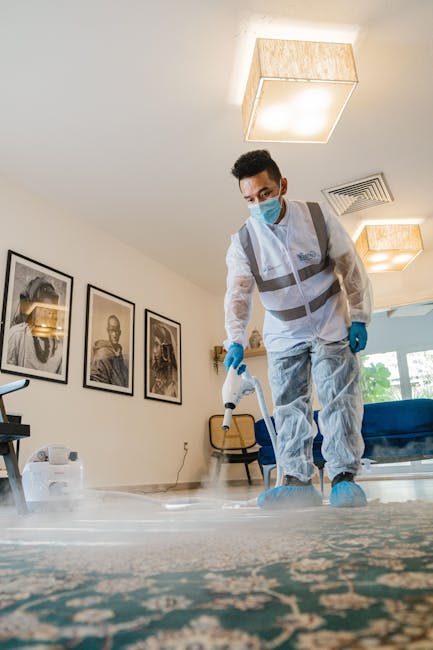
Local business cleaning services for Greenwich offices: a practical guide for cleaner, calmer workplaces
If you run, manage, or simply spend most of your week in a Greenwich office, you already know how quickly a tidy space can slip into a bit of a state. One busy Monday, a wet umbrella by the door, a few coffee rings on the meeting table, and suddenly the whole office feels less professional than it should. That is where Local business cleaning services for Greenwich offices make a real difference. They are not just about making desks look nice. They support staff wellbeing, client confidence, hygiene, and the day-to-day rhythm of work. In this guide, we will walk through how office cleaning works, what to expect, what to avoid, and how to choose a service that fits properly.
For businesses that want a broader view of professional workplace support, the site's commercial cleaning services and office cleaning pages are useful starting points. We will also cover specialist add-ons such as commercial carpet cleaning, window cleaning, and hard floor cleaning where they make sense. Simple idea, really: the right cleaning plan should make the office feel easier to work in, not harder to manage.
Table of Contents
- Why local business cleaning matters for Greenwich offices
- How office cleaning services work
- Key benefits and practical advantages
- Who this is for and when it makes sense
- Step-by-step guidance
- Expert tips for better results
- Common mistakes to avoid
- Tools, resources and recommendations
- Law, compliance, standards and best practice
- Options, methods and comparison table
- Case study or real-world example
- Practical checklist
- Conclusion
- Frequently asked questions
Why Local business cleaning services for Greenwich offices Matters
Greenwich offices come in all shapes and sizes. Some are compact studios with two meeting rooms and a shared kitchenette. Others are larger professional spaces with reception areas, carpets, glass partitions, breakout zones, and a steady stream of visitors. Whatever the setup, cleanliness has a direct effect on how the place functions. It changes first impressions. It changes morale. It can even change how long furniture, flooring, and fixtures last.
There is also a local reality to consider. Greenwich is busy, well connected, and full of businesses that meet clients face to face. That means office cleaning is not some background detail. It is part of the business experience. When a reception smells fresh, the bins are under control, and the floor does not have that sticky half-cleaned feeling, people notice. Not always consciously, but they do notice.
In practical terms, business cleaning services help with the things that staff often stop seeing after a while: dusty skirting boards, fingerprints on glass, limescale around taps, crumbs in keyboards, dull patches on carpet, and the sort of built-up grime that quietly makes a workspace feel tired. To be fair, nobody wants to spend their day looking at yesterday's coffee spill.
Expert summary: For Greenwich offices, the best cleaning service is one that balances appearance, hygiene, access, timing, and consistency. The real win is not just a cleaner room. It is a smoother working day.
How Local business cleaning services for Greenwich offices Works
Most office cleaning arrangements begin with a walkthrough or a conversation about the site. The cleaner or cleaning team needs to understand what type of office it is, how many people use it, what surfaces need care, and which areas need the most attention. That may sound obvious, but it is the difference between a vague tidy-up and a proper plan.
Usually, the service is built around a schedule. That might be daily, several times a week, weekly, or a one-off deep clean before a move, inspection, or important event. Businesses with heavier footfall often need regular visits because dust, litter, washroom use, and kitchen traffic build up fast. Smaller offices may be fine with less frequent visits, provided the cleaning is thorough.
The work itself can include:
- dusting desks, ledges, shelving, and touchpoints
- vacuuming carpets and entrance mats
- mopping or machine-cleaning hard floors
- emptying bins and replacing liners
- cleaning kitchens, sinks, and appliances
- wiping washroom surfaces and replenishing supplies
- sanitising high-contact points such as handles and switches
- spot cleaning stains on carpets or upholstery
- cleaning glass, internal doors, and partitions
Some offices also need more specialist work from time to time. For example, if carpet areas are starting to look flat and dull, a targeted steam carpet cleaning appointment can help restore them. If the office has soft seating in a client lounge or reception, upholstery cleaning may be the better choice. And if your windows are letting in more smudges than daylight, that is usually a sign to look at window cleaning as part of the plan.
Good providers will also ask about access, alarms, key holding, parking, waste disposal, and any areas that must not be touched. That may seem slightly fussy at first, but it prevents awkward surprises later. Truth be told, the best office cleans are the ones you barely have to think about.
Key Benefits and Practical Advantages
The advantages of professional office cleaning go beyond a nice-looking workspace. They show up in daily habits, in staff comfort, and in how the business presents itself.
1. Better first impressions
Visitors notice reception areas, floors, glass, and washrooms within seconds. A clean office quietly tells them the business is organised and careful. That is especially relevant in client-facing Greenwich workplaces where meetings often start before anyone has even opened a laptop.
2. A more comfortable working environment
People concentrate better in a tidy, well-kept space. It is simpler to think clearly when the bins are emptied, the kitchen is clean, and nobody is distracted by crumbs, smells, or dusty corners. You know the feeling. The room just breathes a little easier.
3. Reduced wear on surfaces and furniture
Regular cleaning helps carpets, hard floors, upholstery, and fixtures last longer. Dirt is abrasive. Spills settle in. Glass gets etched. If left alone, small problems become expensive ones. That is especially true for busy entrances and meeting rooms, which often take the brunt of everyday traffic.
4. More consistent hygiene standards
Offices are shared spaces, so hygiene matters. Washrooms, kitchens, handles, and desk surfaces need routine attention. A structured cleaning plan helps keep standards steady rather than relying on occasional big cleans that try to fix everything at once.
5. Easier management for office coordinators
For managers, reception leads, or operations staff, outsourcing cleaning reduces admin and improves predictability. Instead of chasing ad hoc tidy-ups, you can work to a set schedule and know what has been done. That alone can save a lot of small daily friction.
| Cleaning approach | Best for | Typical strength | Possible drawback |
|---|---|---|---|
| Regular scheduled cleaning | Busy offices, shared spaces, client-facing workplaces | Steady standards and predictable upkeep | Requires clear instructions and reliable access |
| One-off deep cleaning | Move-ins, move-outs, post-event resets, overdue offices | Strong reset for neglected areas | Not enough on its own for long-term maintenance |
| Specialist add-on cleaning | Carpets, windows, upholstery, hard floors | Targets problem surfaces properly | Needs the right service match for each material |
Who This Is For and When It Makes Sense
Local business cleaning services are useful for a wider range of Greenwich offices than people sometimes assume. They are not only for large firms or premium spaces. In fact, smaller workplaces often feel the benefit most because they have fewer people handling maintenance themselves.
This kind of service makes sense if you are:
- a small business owner trying to keep a professional office without hiring in-house cleaners
- an office manager juggling staff, visitors, and facilities tasks
- a landlord or managing agent responsible for a commercial unit
- a startup using shared or flexible office space
- a professional services firm that needs quiet, discreet cleaning outside business hours
- a medical, educational, or consultancy environment with higher hygiene expectations
It also makes sense when an office is changing. Maybe you have just moved in. Maybe your team has grown. Maybe hybrid working means the space gets used in bursts rather than evenly. That's a tricky one, actually, because an office can look fine on Wednesday and feel half-abandoned by Friday. A flexible cleaning plan helps smooth that out.
If your workplace has just had contractors in, the site may benefit from after builders cleaning before normal office cleaning begins. Similarly, if your business premises include a shared entrance or hallway, communal area cleaning may be just as important as the office itself. And if the flooring is mainly vinyl, stone, or sealed timber, a dedicated hard floor cleaning plan can make a bigger difference than people expect.
Step-by-Step Guidance
If you are arranging cleaning for a Greenwich office, the easiest way to get a good result is to treat it as a simple process rather than a one-off purchase. Here is a practical way to do it.
- List the spaces that matter most. Start with reception, work areas, meeting rooms, kitchens, toilets, and entry points. Then note anything special, like glass walls, soft seating, or sensitive equipment zones.
- Decide how often each area needs attention. Some places need daily care. Others only need a weekly reset. A good plan separates high-use spaces from low-use ones.
- Identify any specialist needs. Think carpets, windows, floors, upholstery, or occasional deep cleaning. If you only plan for basic dusting, you may miss the surfaces that make the biggest visual impact.
- Set access rules. Decide whether cleaning happens before opening, after closing, or during quieter hours. Make sure alarm codes, keys, and entry instructions are handled safely.
- Confirm health and safety expectations. Ask how materials are used, how waste is disposed of, and what happens if a spill or hazard is found during a visit.
- Agree on scope in plain language. Be specific. "Kitchen cleaned" is too vague. Better to say what that means: sink, counters, microwave, external appliance surfaces, bin area, and floor.
- Review the first clean properly. The first visit often reveals small gaps in the brief. That is normal. Use it to refine the routine rather than waiting for problems to build up.
A decent cleaning provider will welcome clarity. In fact, the more exact your instructions, the fewer misunderstandings later. Nobody enjoys the awkward "oh, I thought that area was included" conversation. Nobody.
Expert Tips for Better Results
Over time, the best office cleaning outcomes usually come from small decisions made early. Nothing fancy. Just smart little habits.
Keep a simple room-by-room priority list
Not every area needs equal attention. Reception, toilets, kitchens, and floors usually deserve the highest priority. Less-used storage areas can be scheduled less often. That keeps effort focused where people actually feel it.
Protect high-touch surfaces
Handles, switches, taps, lift buttons, and shared desks are constant contact points. They should be built into the routine, not left to chance. If you only clean what people can see from the doorway, you are missing half the job.
Use the right treatment for the right surface
Carpet, wood, tile, laminate, and fabric all behave differently. A method that works on one can damage another. For example, a reception carpet may need carpet cleaning or steam treatment, while a meeting-room sofa will need upholstery care rather than a quick wipe.
Think about the working day, not just the task list
A clean office that disrupts staff every morning is still a problem. Cleaning should fit the business rhythm. Early access, late access, quieter periods, and lock-up procedures all matter. The smoothest arrangements often go unnoticed, which is kind of the point.
Ask for seasonal attention where needed
In winter, wet floors and muddy entries become a bigger issue. In summer, windows, ventilation points, and dust can stand out more. A little seasonal flexibility can improve results without overcomplicating the arrangement.
Common Mistakes to Avoid
Most problems with office cleaning do not come from bad intentions. They come from vague planning and assumptions.
- Leaving the scope too broad. If nobody defines what "clean" means, standards drift.
- Ignoring busy touchpoints. Kitchens and toilets get noticed quickly when they are overlooked.
- Choosing only on price. A cheap quote can look attractive until the missed tasks, rushed work, or awkward communication start costing more time.
- Forgetting specialist surfaces. Carpets, soft seating, and glass need the right method, not just a standard wipe-down.
- Not planning access properly. Keys, alarms, and building rules are boring until they go wrong.
- Skipping reviews after the first few visits. Small issues are much easier to fix early.
Another common one: assuming every cleaner will know your office layout instantly. They won't. Nor should they. Even a tidy, modest office has its own oddities - that one drawer nobody opens, the printer corner with a mind of its own, the meeting room where fingerprints seem to appear out of nowhere. A proper brief helps a lot.
Tools, Resources and Recommendations
You do not need a huge facilities toolkit to make office cleaning work well, but a few practical resources make life easier.
- A written cleaning schedule: Keep it simple and visible. Break tasks by frequency and area.
- A room inventory: List carpets, mats, glass, upholstery, appliances, and floor types so the right methods are used.
- Spill response supplies: Paper towels, approved cleaners, gloves, and waste bags for small incidents between visits.
- Waste and recycling plan: Offices generate more packaging and mixed waste than people expect. A clear setup reduces clutter. If sustainability matters to your business, the site's recycling and sustainability information is worth reading alongside your cleaning plan.
- Service notes for cleaners: A short document on access, alarm handling, restricted areas, and contact names can save time every week.
For more detail on broader service standards, the pages on health and safety, insurance and safety, and pricing and quotes are useful references when you are comparing options. If you want to understand who you are dealing with, the about us page is also worth a look. That is usually where you get a feel for tone, professionalism, and whether the company sounds like it knows its way around real workplaces.
Law, Compliance, Standards and Best Practice
Office cleaning in the UK sits within a wider framework of workplace duties and normal business expectations. The details can vary by building, contract, and use case, so it is wise to keep this practical rather than overly legalistic.
In general, businesses should pay attention to:
- Health and safety responsibilities: Cleaning should be carried out safely, with suitable products, sensible handling, and awareness of slip risks.
- Risk reduction: Wet floors, cables, shared entrances, and cleaning equipment should be managed so people are not put at unnecessary risk.
- Data and privacy considerations: In offices, cleaners may encounter paperwork, screens, or confidential areas. Access rules matter.
- Insurance and liability: It is reasonable to check that any provider has suitable insurance for the work they do.
- Waste handling: Bins, recycling, and any specialist waste need to be handled in line with building rules and normal UK business practice.
Best practice is often more important than a long policy document. Clear scopes, documented routines, sensible communication, and proper supervision usually solve more problems than anything else. If a provider also publishes a terms and conditions page and a clear privacy policy, that is generally a good sign they take the business side seriously. You want that. It keeps things calm.
For businesses that need extra reassurance around ethical and operational standards, the site also provides pages such as modern slavery statement, payment and security, and complaints procedure. Those may sound like formalities, but they help build trust. And trust matters when someone is working in your office after hours.
Options, Methods and Comparison Table
Different office setups call for different cleaning styles. Here is a simple comparison to make the choice a bit easier.
| Method | Best used for | Strengths | Watch out for |
|---|---|---|---|
| Routine office cleaning | Day-to-day upkeep | Keeps standards steady and predictable | Can miss hidden build-up if not reviewed regularly |
| Deep cleaning | Annual resets, pre-inspection cleaning, neglected offices | Targets grime, corners, and higher-detail work | Not a substitute for regular maintenance |
| Commercial carpet cleaning | Reception areas, corridors, meeting rooms | Improves appearance and helps fibres last longer | Needs drying time and correct fibre care |
| Window and glass cleaning | Front-of-house spaces, glazed partitions | Sharpens light, visibility, and overall presentation | Needs safe access and proper scheduling |
| Hard floor cleaning | Tiles, vinyl, sealed wood, stone | Restores finish and reduces dullness | Wrong products can leave residue or damage |
For many Greenwich offices, the best answer is a mix: a regular cleaning schedule plus targeted specialist visits where needed. That combination tends to keep the place looking good without overdoing it.
Case Study or Real-World Example
Let's take a straightforward example. A small professional office in Greenwich, with eight staff, a glass-fronted entrance, one kitchen, two toilets, and a carpeted meeting room, started out with a fairly loose cleaning arrangement. The team had someone in once in a while, mostly to empty bins and give everything a quick wipe. It was okay. Not disastrous. But over time the office started to feel a bit flat. The carpet had traffic marks near the entrance, the kitchen sink lost its shine, and the meeting room looked less polished than the company wanted for client visits.
The fix was not dramatic. They moved to a clearer weekly plan with more precise task lists, added regular attention to the floors and glass, and scheduled a deeper clean for the meeting room carpet and soft seating. Nothing glamorous. Just sensible. Within a few visits, the office looked brighter and felt better to use. Staff stopped apologising for the kitchen. Visitors arrived to a cleaner reception. The office manager, who had been quietly juggling too much, finally had one less thing to chase.
That is the thing with local business cleaning services: the gains are often subtle at first. A fresher smell on a rainy morning. Less clutter around the bins. Cleaner reflections in the glass. Then one day you realise the whole workplace feels easier. Which, let's be honest, is half the battle.
Practical Checklist
Use this checklist before setting up or reviewing cleaning for your Greenwich office:
- Have you listed all areas that need cleaning, including reception, kitchen, toilets, and shared spaces?
- Do you know which areas need daily, weekly, or occasional attention?
- Have you identified specialist needs like carpets, upholstery, floors, or windows?
- Are access times, keys, and alarm procedures clearly agreed?
- Have you shared any restricted areas or confidential zones?
- Do you know what is included in the quote and what is not?
- Is there a plan for spills, stains, or urgent touch-ups between visits?
- Have you checked the provider's health and safety approach and insurance?
- Is there a way to give feedback after the first clean?
- Are sustainability, waste, and recycling needs covered?
If you can tick most of those boxes, you are already ahead of many offices that rely on guesswork. And guesswork, frankly, is a poor cleaning strategy.
Get a free quote today and see how much you can save.
Conclusion
Local business cleaning services for Greenwich offices are about much more than appearances. They support daily operations, make workplaces more comfortable, and help offices present themselves with confidence. The best results usually come from clear expectations, a realistic schedule, and the right mix of routine care and specialist cleaning.
If you treat office cleaning as part of how the business runs, not as an afterthought, it becomes much easier to manage. The room feels calmer. People notice less clutter. Clients get a better first impression. And staff, quite simply, work in a better space.
That is the goal, really: a workplace that feels looked after without making a fuss about it.
Frequently Asked Questions
What do local business cleaning services for Greenwich offices usually include?
Most office cleaning services include dusting, vacuuming, mopping, bin emptying, washroom cleaning, kitchen cleaning, and touchpoint wiping. Some also cover glass, carpets, and soft furnishings depending on the agreement.
How often should an office in Greenwich be cleaned?
It depends on how busy the office is. High-traffic workplaces often need daily or several-times-a-week cleaning, while smaller offices may only need weekly visits plus occasional deep cleaning.
Is a deep clean better than regular office cleaning?
They do different jobs. A deep clean is useful for a reset or periodic refresh, but regular cleaning is what keeps standards stable day to day. In most cases, you need both.
Can office cleaning be done outside business hours?
Yes. Many businesses prefer early morning, evening, or weekend cleaning so staff can work without disruption. It is usually best to agree access and lock-up procedures in advance.
What should I ask before hiring an office cleaning company?
Ask what tasks are included, how often they will be done, whether they are insured, how they handle health and safety, and how they manage special surfaces like carpets and windows.
Do office cleaners handle carpets and upholstery too?
Sometimes, but not always as part of routine cleaning. Carpets and upholstery often need separate specialist treatments such as steam carpet cleaning or upholstery cleaning.
How do I know if my office needs commercial carpet cleaning?
If carpets look dull, hold odours, show traffic marks, or seem harder to keep fresh, commercial carpet cleaning may be worthwhile. Reception areas and corridors are common hotspots.
What is the difference between office cleaning and commercial cleaning?
Office cleaning is focused specifically on workplace interiors and the daily needs of office environments. Commercial cleaning is broader and can cover a wider range of business premises and property types.
How do I keep costs under control?
Be clear about scope, prioritise high-use areas, and avoid paying for tasks you do not need. A well-planned schedule is usually more cost-effective than ad hoc cleans.
What if my office has shared entrances or communal spaces?
Then those areas should be included in the cleaning plan. Shared entry points, corridors, and stairwells can make a big impression, especially in client-facing buildings. A dedicated communal area cleaning arrangement can help.
Are there health and safety things I should check?
Yes. Make sure cleaning is carried out safely, the right products are used, and access arrangements are sensible. It is also wise to confirm insurance and ask how slip risks or spills are handled.
Can office cleaning help with sustainability goals?
It can. Better waste separation, sensible product use, and a tidy cleaning routine all support a more sustainable workplace. If that matters to your business, choose a provider that understands recycling and waste reduction properly.