Renters guide to council rules for cleaning in Greenwich
If you rent in Greenwich, cleaning can feel oddly high-stakes. One end of tenancy, and suddenly the question is not just whether the place looks tidy, but whether it meets your landlord's expectations, your tenancy agreement, and the practical standards that councils and local housing teams tend to expect. This Renters guide to council rules for cleaning in Greenwich pulls that all together in plain English, so you know what matters, what usually does not, and how to avoid the last-minute panic that so many tenants know too well.
Truth be told, most cleaning disputes are not about a single dusty shelf. They come from small, avoidable gaps: grease in the kitchen extractor, limescale in the bathroom, marks on carpets, a skipped bin area, or a flat that is "clean enough" for everyday life but not for a check-out inspection. The good news? With a sensible plan, you can stay compliant, protect your deposit, and keep the process calm.
Below, you will find the practical rules, the local context, a step-by-step process, common mistakes, and a realistic checklist you can actually use. If you want broader context about local living, you may also find our guide to understanding life in Greenwich useful, especially if you are new to the area.
Table of Contents
- Why Renters guide to council rules for cleaning in Greenwich Matters
- How Renters guide to council rules for cleaning in Greenwich Works
- Key Benefits and Practical Advantages
- Who This Is For and When It Makes Sense
- Step-by-Step Guidance
- Expert Tips for Better Results
- Common Mistakes to Avoid
- Tools, Resources and Recommendations
- Law, Compliance, Standards, or Best Practice
- Options, Methods, or Comparison Table
- Case Study or Real-World Example
- Practical Checklist
- Conclusion
- Frequently Asked Questions
Why Renters guide to council rules for cleaning in Greenwich Matters
Cleaning rules matter because they sit at the point where everyday tenancy life meets property standards. In Greenwich, as in most London boroughs, tenants are expected to keep their homes reasonably clean, dispose of waste properly, and avoid causing avoidable damage or nuisance. That sounds simple, but in practice it covers a lot: food hygiene in shared kitchens, mould prevention through sensible ventilation, keeping communal areas clear, and leaving the property in the condition the tenancy requires at the end.
For many renters, the biggest issue is not a dramatic breach. It is the slow build-up of "little things" that can trigger complaints, inspection notes, or deposit deductions. A bin store that smells because rubbish has been left out. A bathroom with heavy limescale. A fridge full of old food when the tenancy ends. These are the sorts of things that can turn a routine move-out into a headache.
There is also a fairness angle. Councils and landlords are not generally asking for showroom perfection. They are asking for safe, habitable, and properly maintained living conditions. That distinction matters. It keeps expectations realistic and helps you avoid over-cleaning in places that only need normal domestic attention. If you are unsure how much work a property really needs, a local domestic cleaning service in Greenwich can be a useful benchmark for what a thorough clean actually looks like.
Key takeaway: most "council rules" for cleaning are really a mix of general housing standards, tenancy responsibilities, waste control, and basic hygiene expectations. Know the standard, document your work, and you are usually in a much stronger position.
How Renters guide to council rules for cleaning in Greenwich Works
Let's face it: there is no single magical rulebook that tells every Greenwich tenant exactly how clean a property must be at every stage. Instead, cleaning expectations usually come from three places working together:
- Your tenancy agreement, which may set out how you must care for the property and whether it must be professionally cleaned at the end.
- General housing and environmental standards, which cover hygiene, waste, damp, pests, and safe living conditions.
- The practical expectations of landlords, agents, and check-out inspectors, who compare the property against its condition at the start and the wording of the agreement.
In a normal tenancy, the council is not going to inspect your oven because you forgot to wipe it after Tuesday's pasta bake. But if a flat becomes unhygienic, attracts pests, or creates issues in communal areas, then it can become a housing concern. In shared blocks, rubbish management and hallway cleanliness are especially important. It sounds boring. It is boring. And yet it matters.
At move-out, the process is more exacting. The end goal is usually to return the property in a similar state of cleanliness to when you moved in, allowing for fair wear and tear. That means a light lived-in patina is normal; grime, grease, and embedded dirt are not. If you need deeper support for floors and fabrics, our page on carpet cleaning in Greenwich explains how specialist cleaning can help where regular vacuuming falls short.
In practical terms, the "how it works" part is mostly about evidence and timing:
- Check your tenancy agreement before you start.
- Match your plan to the property's check-in inventory.
- Clean top to bottom, room by room.
- Take dated photos before handover.
- Keep receipts if you use a professional cleaner.
That is the boring-but-effective version. And to be fair, boring is exactly what you want when your deposit is on the line.
Key Benefits and Practical Advantages
Following cleaning expectations properly has benefits that go beyond avoiding a row with your landlord. The real advantage is peace of mind. You know where you stand, what you have done, and what proof you can show if there is a dispute.
- Lower deposit risk: a clean, documented property makes deductions harder to justify.
- Smoother check-out: inspections tend to move faster when the property is visibly cared for.
- Better tenant references: good tenancy habits make landlords and agents more comfortable next time.
- Healthier home conditions: regular cleaning reduces smells, dust, mould build-up, and pest attraction.
- Less stress at move-out: the final week is busy enough without a full-scale cleaning scramble.
There is also a subtle but important practical benefit: when you clean consistently, you spot problems earlier. A leaking seal under the sink, a patch of mould behind a wardrobe, a stain on the lounge carpet that is getting worse rather than better. Those things are easier to deal with when they are small. You notice them. You act. Job done.
If you are comparing support options for a full property clean, our end of tenancy cleaning Greenwich page gives a clear picture of the kind of work that typically helps before handover. It is not overkill if the property needs it; sometimes it is just the sensible route.
Who This Is For and When It Makes Sense
This guide is for renters in Greenwich who want a realistic understanding of cleaning expectations, especially if you are:
- moving out of a flat or house and want to protect your deposit
- living in a shared property where rubbish, bathrooms, and kitchens need extra care
- dealing with an inventory check-in or check-out
- trying to prevent a hygiene issue from becoming a tenancy issue
- new to London renting and not quite sure what "reasonably clean" means in practice
It also makes sense if you are in a busier property cycle. For example, if you are selling, buying, or moving within the borough, cleaning can quickly become one of the overlooked jobs that delays everything else. For that wider local picture, our article on Greenwich buying and selling tips may help, because move-outs and move-ins often overlap in messy, very human ways.
This guide is especially useful for tenants who think they will "just do a quick clean on the day." That can work for a lightly used room. It rarely works for a full property, not unless you enjoy mopping at 11:30 p.m. with a takeaway coffee going cold beside you. Which, to be honest, nobody does.
Step-by-Step Guidance
A sensible cleaning plan is less about brute force and more about sequence. If you work in the right order, the job becomes much faster and far less frustrating.
1. Read your tenancy documents first
Look for clauses on cleaning, carpet care, pest prevention, waste removal, and professional services at move-out. Some agreements are general. Others are annoyingly specific. Either way, read them before you buy supplies.
2. Compare the property against your check-in record
Your inventory is your reference point. If the place was not spotless when you moved in, you are not expected to turn it into a hotel suite. But if you added wear, marks, or grime, that is your responsibility to address.
3. Handle waste early
Remove rubbish, food waste, and broken items first. In shared Greenwich blocks, this step matters more than people think. A clean flat with an overflowing bin bag still feels neglected, and smells do not stay politely in one corner.
4. Clean from high to low
Start with shelves, light fittings, tops of cabinets, curtain rails, and other upper surfaces. Then move to worktops, furniture, skirting, and floors. If you start at the bottom, you will just clean the same dust twice.
5. Tackle the kitchen properly
The kitchen is usually the most inspected room. Wipe grease from splashbacks, clean inside the oven, degrease the hob, empty and clean the fridge, and check the extractor hood filters if accessible. A few crumbs hidden behind the toaster can become surprisingly visible once the sunlight comes through in the morning.
6. Give the bathroom a deep but sensible clean
Focus on limescale, grout, taps, toilet edges, sink traps, and shower screens. Ventilate well while cleaning. If mould is present, deal with the cause too, not only the stain. Otherwise it tends to come back, as if it never left.
7. Clean floors and soft furnishings last
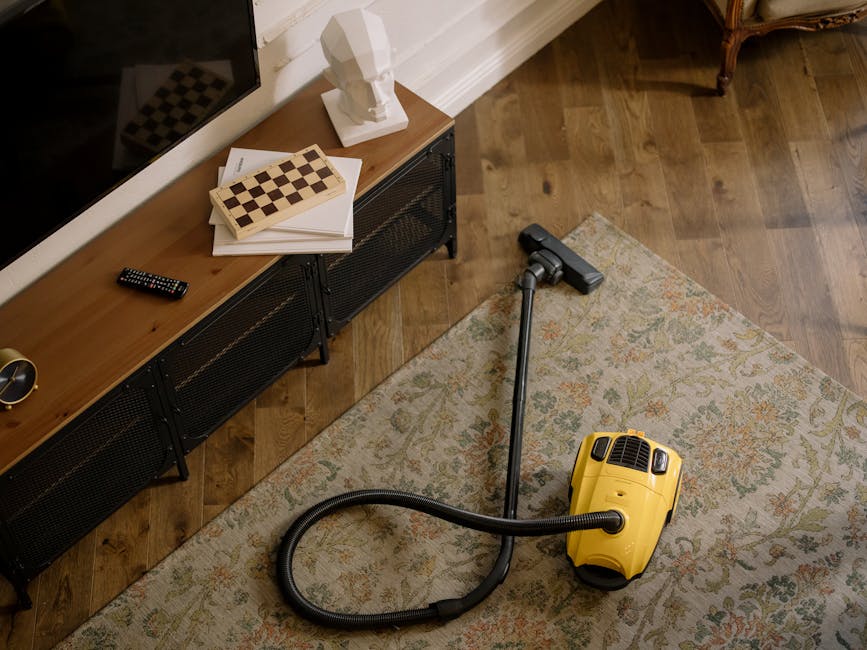
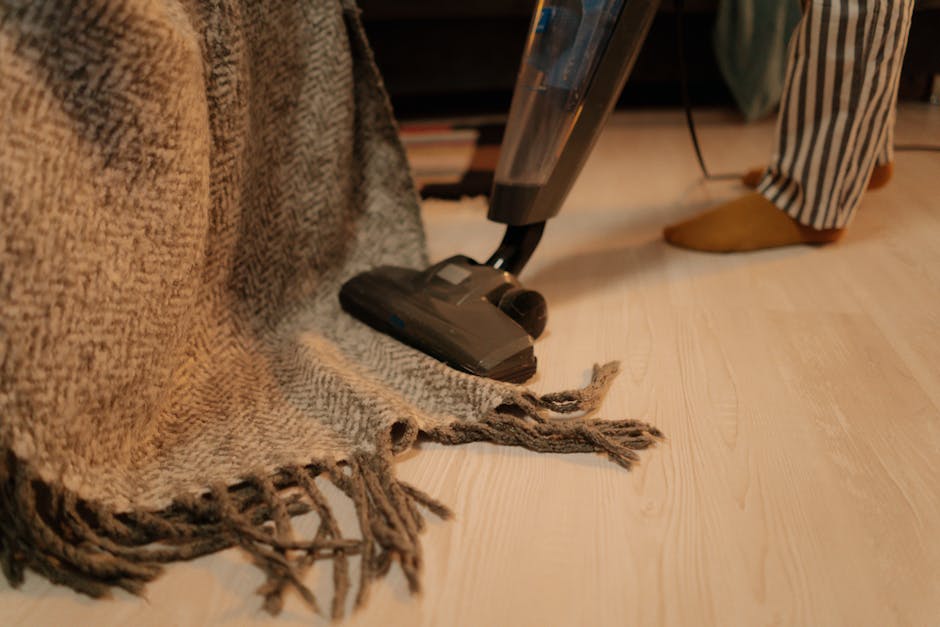
Vacuum carpets slowly and in overlapping lines. Spot-clean marks before they set. If the carpet has deeper staining or a strong odour, a specialist service may be more practical than elbow grease alone. For a deeper dive into pricing expectations, our Greenwich carpet cleaning cost guide is a helpful companion read.
8. Photograph everything before you hand over the keys
Take clear pictures in daylight where possible. Keep them simple and dated. This is not about proving you can take artful photos of a sink. It is about evidence.
9. Keep records of what you used or paid for
If you booked a cleaner or bought specialist products, keep receipts. If the landlord later questions what was done, you can show a sensible paper trail.
Expert Tips for Better Results
Here is the part that saves time and, usually, money too.
- Use the right cleaner for the surface. Glass cleaner on glass, degreaser on kitchen grease, descaler on bathroom build-up. Simple, but easy to get wrong when you are rushing.
- Let products sit when needed. Most stubborn marks need a little dwell time. Spray, wait, then wipe. Too many people wipe instantly and wonder why nothing happens.
- Open windows while working. It helps with smell, drying, and general comfort. On a damp Greenwich morning, that airflow can make a real difference.
- Test first on delicate fabrics or finishes. Especially if you are cleaning upholstery, curtains, or older painted surfaces.
- Do a final walk-through with natural light. Things you miss under bathroom lighting often show up near a window around mid-afternoon. Annoying, yes. Useful, also yes.
If your tenancy includes soft furnishings, do not forget them. Curtains, armchairs, and mattresses often hold dust and odours long after the visible surfaces look fine. For a more fabric-specific approach, our guide to caring for velvet curtains is a useful reminder that delicate materials need a gentler touch than ordinary cleaning jobs.
One more thing: do not leave the whole job for the final morning. That path leads to half-clean cupboards, a sweaty shirt, and the sort of tired decisions you regret later. Ask me how I know. Well, no need really.
Common Mistakes to Avoid
The same errors crop up again and again in rental cleaning disputes. Avoid these and you are already ahead.
- Assuming "clean enough" means "deposit-safe." A property can look tidy but still fail a check-out standard.
- Ignoring the inventory. If the report noted a stain at move-in, do not waste time trying to erase someone else's history.
- Forgetting hidden areas. Behind radiators, under beds, inside cupboards, and around bin areas all get checked more often than tenants expect.
- Using the wrong products. Harsh chemicals can damage surfaces and create a bigger problem than the dirt did.
- Leaving waste until last. A full rubbish run can make a place feel instantly cleaner and more compliant.
- Not documenting the clean. Good work without evidence sometimes counts for surprisingly little in a dispute.
There is also the classic overconfidence trap: "It'll be fine, the landlord is relaxed." Maybe. Maybe not. Better to leave them no obvious reason to raise an issue. Calm is underrated.
Tools, Resources and Recommendations
You do not need a van full of gadgets to do a proper tenant clean, but the right basics matter. A simple kit usually includes:
- microfibre cloths
- a vacuum cleaner with attachments
- a mop and bucket or spray mop
- non-abrasive sponges
- oven cleaner or a suitable degreaser
- bathroom descaler
- rubber gloves
- bin liners
- a bucket for mixed tasks
If you live in a larger home or have a particularly busy household, a recurring cleaning arrangement can be more efficient than a big panic clean before every inspection. Our home cleaning Greenwich SE10 page is relevant if you want to understand the sort of ongoing support that helps keep standards steady rather than reactive.
You may also find it useful to compare services before choosing one. A quick look at services overview, pricing and quotes, and reviews can help you judge what is realistic for your situation. That kind of comparison matters. Not every property needs the same level of cleaning, and not every cleaner is a fit for every type of tenancy.
For general standards and company background, it can also help to understand who you are dealing with. A quick read of about us gives a bit of context, while insurance and safety and health and safety policy are sensible pages to check when you want reassurance about how work is carried out.
Law, Compliance, Standards, or Best Practice
Cleaning expectations for renters in Greenwich are usually shaped by tenancy law, housing standards, and ordinary contract terms rather than a single standalone "council cleaning rule." That means the practical standard is usually a mix of:
- Keeping the property fit and hygienic for living
- Avoiding damage or neglect
- Managing waste safely and responsibly
- Leaving the property in the agreed condition at the end of the tenancy
Best practice in the UK rental market is to follow the tenancy agreement carefully, keep records, and clean to a standard that would satisfy a reasonable check-out inspection. Councils and landlords may also become involved where poor cleanliness creates a health risk, a pest issue, or a nuisance in shared accommodation. That is where things become more than just "housekeeping."
Be cautious with claims about legal obligations. Some tenancies require professional cleaning; some do not. Some landlords insist on certain standards; others mainly want the property returned clean and undamaged. The exact wording in your agreement matters. If there is any uncertainty, read the clause closely rather than guessing. Guessing is expensive, not in a glamorous way either.
If your tenancy ends and the property has carpets, upholstery, or heavy-use areas, end-of-tenancy best practice usually includes targeted deep cleaning rather than surface-only tidying. This is where specialist help can be a practical choice rather than a luxury.
Options, Methods, or Comparison Table
Different situations call for different cleaning methods. A quick comparison can make the decision easier.
| Approach | Best for | Strengths | Limitations |
|---|---|---|---|
| Regular DIY cleaning | Routine upkeep during tenancy | Low cost, flexible, easy to maintain | May not be enough for move-out standards |
| Deep DIY clean | End of tenancy when time is available | Budget-friendly and thorough if planned well | Time-consuming, easy to miss hidden areas |
| Professional end-of-tenancy clean | Move-out, strict inspections, larger properties | More consistent finish, less stress, stronger evidence | Higher upfront cost |
| Specialist carpet or upholstery cleaning | Stains, odours, traffic areas, delicate fabrics | Targets problem areas better than basic cleaning | May need separate booking or quoting |
In simple terms, if the flat is already well maintained, a detailed DIY clean may be enough. If the property has several rooms, stubborn build-up, or a tight handover deadline, a professional finish can save a lot of grief. Sometimes the sensible choice is the least dramatic one.
Case Study or Real-World Example
A typical Greenwich rental scenario goes like this. A tenant in a two-bedroom flat gives notice for a late-summer move. The place looks fine at a glance: floors vacuumed, counters cleared, bathroom wiped. But once the final inventory review begins, small issues appear. The oven has grease at the back. The washing machine drawer has detergent residue. The lounge carpet shows traffic marks near the sofa. Nothing is disastrous. Still, the details matter.
Rather than trying to do everything in one exhausted evening, the tenant breaks the job into two days. Day one covers rubbish removal, kitchen deep clean, and bathroom work. Day two handles dusting, windows, skirting boards, carpets, and a full photo record. A specialist carpet clean is booked for the most visible living area, which makes the room look fresher and avoids the "we can still smell it" problem that can happen with older carpets.
The result is not magically perfect. Real homes never are. But it is tidy, consistent, and documented. That is usually enough to keep the move-out process smooth and the conversation civil. A small thing, maybe. Yet very often that is exactly what saves the deposit conversation from spiralling.
Practical Checklist
Use this checklist before you hand the property back:
- Read the tenancy agreement and any cleaning clause
- Check the move-in inventory or condition report
- Remove all rubbish, food, and personal items
- Clean kitchen appliances inside and out
- Descale taps, sinks, shower screens, and tiles
- Vacuum carpets, edges, and under furniture
- Wipe skirting boards, switches, door handles, and shelves
- Clean windowsills and accessible glass areas
- Check cupboards, drawers, and storage spaces
- Ventilate rooms and check for lingering odours
- Take dated photos of every room
- Keep receipts for any cleaning products or services
It helps to do a final walk-through with a practical eye. Stand in the doorway of each room and ask yourself: would this look acceptable to someone checking against the inventory? If the answer is "almost," do the last ten percent. That is often where the win is.
Get a free quote today and see how much you can save.
Conclusion
Renting in Greenwich should not mean living in a state of permanent cleaning anxiety. Once you understand the mix of tenancy terms, basic housing standards, and sensible local expectations, the whole thing becomes much more manageable. The aim is not perfection for its own sake. It is clarity, care, and a clean handover.
Keep the process simple: read your agreement, stay on top of day-to-day cleanliness, tackle hidden areas before move-out, and document what you have done. If the job is bigger than a standard clean, bring in help early rather than at the last minute. That one decision can save a surprising amount of stress.
And if you are doing all this while juggling boxes, change-of-address forms, and one forgotten saucepan you can never seem to find, well, you are in good company. Breathe, work through it step by step, and keep going. You will get there.
Frequently Asked Questions
What are council rules for cleaning in Greenwich renters usually expected to follow?
In practice, tenants are usually expected to keep the home reasonably clean, manage waste properly, avoid hygiene problems, and return the property in the condition required by the tenancy agreement. The exact wording depends on the tenancy, but the general standard is sensible domestic upkeep.
Do I have to hire a professional cleaner when I move out?
Not always. Some tenancy agreements require professional cleaning, while others simply require the property to be left clean and tidy. Always check your contract first, because the wording is what matters more than assumptions.
Will the council inspect my flat before I move out?
Usually no, unless there is a specific housing, environmental health, or nuisance issue. Most end-of-tenancy checks are handled by the landlord or letting agent, not the council. The council becomes relevant if cleanliness affects health, safety, pests, or shared areas.
What cleaning jobs cause the most deposit disputes?
Kitchen grease, ovens, bathrooms, carpets, limescale, rubbish removal, and hidden dirt in cupboards are the common ones. These are the areas that tend to show up in check-out reports, especially when the property is compared with the inventory.
How clean does a rented property need to be at the end of the tenancy?
It should be returned in a similar state of cleanliness to when you moved in, allowing for fair wear and tear. That usually means a thorough deep clean, not just a general tidy-up. If the property was already worn, that is taken into account.
What should I do about mould or damp before moving out?
Clean visible mould where safe to do so, but also address the cause if possible by improving ventilation and reducing moisture. If the issue seems structural or severe, document it carefully rather than trying to hide it. Hidden damp rarely stays hidden for long.
Are carpets covered by normal cleaning expectations?
Usually yes, especially if they were included in the condition of the property at move-in. Regular vacuuming is one thing, but marks, odours, and heavy staining may need deeper treatment. Carpet condition often becomes a focus at checkout.
Can I be charged if the property is not clean enough?
Potentially, yes, if the landlord or agent can justify a deduction under the tenancy agreement and the deposit protection process. The key issue is whether the cleaning standard is below what was agreed or expected based on the inventory.
What is the best way to prove I cleaned properly?
Take clear, dated photos after cleaning, keep receipts for any professional work or products, and hold onto the inventory and checkout documents. Good evidence makes disputes much easier to resolve.
Is it worth booking end of tenancy cleaning in Greenwich for a small flat?
It can be, especially if you are short on time, the property has carpets or soft furnishings, or the check-out standard is likely to be strict. A small flat can still have a big cleaning load, especially when kitchens and bathrooms need proper attention.
What if the flat was not very clean when I moved in?
That is where your inventory is important. You are generally expected to return the property in a similar condition, not better than new if it was already tired. Take photos and keep your check-in report so you can compare fairly at the end.
Where can I find more help with cleaning support in Greenwich?
It helps to look at the local service pages, service overview, pricing details, and reviews so you can judge what level of support suits your tenancy. If you need deeper cleaning for floors, upholstery, or the whole property, a local professional can save time and reduce the chance of missed areas.